
AI WEBINAR SERIES – AI-Powered Brain Dumps: Simple Recall Assessments That Guide Instruction
Event Details
With increased interest in and use of artificial intelligence (AI) in higher education, demand also has grown for better understanding of the opportunities and challenges presented in this space. To help higher education professionals navigate this rapidly evolving landscape, the Strategic Ohio Council for Higher Education (SOCHE) will feature a special AI Webinar Series for the 2026-27 school year.
The fourth session in the series, “AI-Powered Brain Dumps: Simple Recall Assessments That Guide Instruction,” will be held on Friday, March 12, from 12 to 1 p.m. ET via Zoom. The webinar will be presented by Sharon Tjaden-Burkes from the eLearning Division at Sinclair College.
How much of a lecture or module are students actually retaining…and how can instructors find out before a high-stakes assessment? This session introduces AI-Powered Brain Dumps, a simple retrieval-practice strategy that gives students and instructors meaningful, low-stakes insight into learning in progress.
Participants will explore how a five-minute recall activity grounded in cognitive science can uncover misconceptions and content gaps that might otherwise go unnoticed. Through a live demonstration, Sharon will show how to build a brain dump activity in Canvas and pair student responses with AI analysis, such as a ChatGPT Project. This workflow can transform a collection of individual responses into clear patterns and actionable guidance for instruction.
The session also will examine why retrieval practice can strengthen long-term learning more effectively than rereading, why an ungraded activity can still play an important role in student success, and how brain dumps can support a broader strategy for making learning visible. Participants will leave with a ready-to-use template and a practical approach they can begin applying right away. No previous AI expertise is required.
Learning Goals
By the end of this session, participants will be able to:
- Explain the cognitive science behind retrieval practice and why brain dumps can strengthen long-term retention more effectively than reviewing notes alone.
- Distinguish between brain dumps and traditional note-taking and identify appropriate points in instruction to use each approach.
- Build a low-stakes brain dump activity in Canvas using clear, student-friendly instructions.
- Apply an AI-assisted workflow, such as a ChatGPT Project, to analyze brain dump responses for patterns, misconceptions and instructional next steps.
Discover a practical way to make student learning more visible and turn real-time insights into stronger instruction. Register today to add AI-Powered Brain Dumps to your teaching and learning toolkit.
Registration closes Tuesday, March 9.
[If you are unable to attend live, a recording link will be sent to all registrants.]
PRE-WORK: Create a free ChatGPT account, if you don’t already have one.
When: Friday, March 12, from 12-1 p.m. ET [If you are unable to attend live, a recording link will be sent to all registrants.]
Where: SOCHE Zoom platform [link sent at least 24 hours prior to event]
Cost:
- Personnel from SOCHE member schools: $5
- Personnel from NON-member schools/organizations: $10
- Students: FREE [Note: This fee is is reserved for individuals who are students only, not for personnel pursuing continuing education.]
Questions? Contact Mindy Claggett at SOCHE
Student Registration Fee Policy
Registration Cancellation Policy
REGISTRATION FOR THIS EVENT WILL CLOSE ON TUESDAY, MARCH 9
About the Presenter
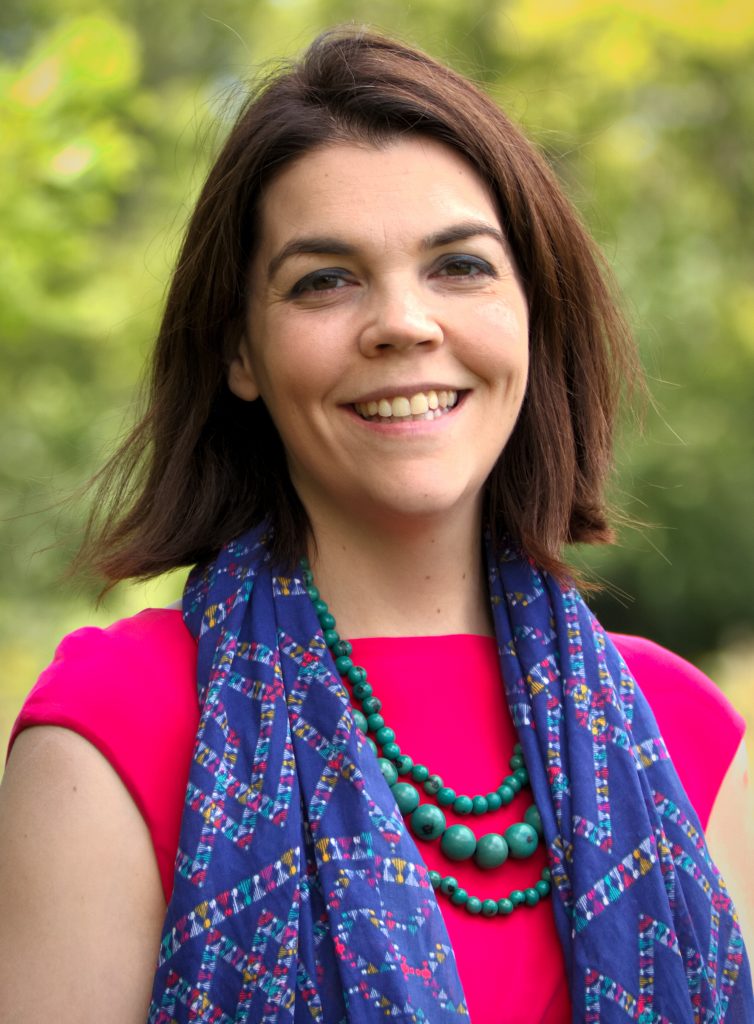
Sharon Tjaden-Burkes
Senior Instructional Designer, eLearning Division
Sinclair Community College
Sharon Tjaden-Burkes is a Senior Instructional Designer for the eLearning Division at Sinclair Community College. Before pivoting to instructional design in 2019, she taught English as a Second Language to international students at the university level for 13 years. She is interested in using AI to personalize learning and empower educators to create learning experiences that were previously impossible or impractical.