





SOCHE Announces 2025-2026 Excellence Awards Winners
Dayton, Ohio (June 4, 2026) — The Strategic Ohio Council for Higher Education (SOCHE) has announced 52 Excellence Awards recipients…

SOCHE Announces New Career Development Webinar Series
For the 2025-2026 school year, the Strategic Ohio Council for Higher Education (SOCHE) will host a special Career Development Series…

52 Complete SOCHE Leadership Program Aimed at Developing Higher Ed Leaders
A cohort of 52 higher education faculty, staff, and administrators from 15 different institutions has completed the Strategic Ohio Council…

SOCHE Announces 2024-25 Lunch & Learn Webinar Series
2024-2025 SOCHE Lunch and Learn Schedule: The Strategic Ohio Council for Higher Education (SOCHE) has announced that it will host…
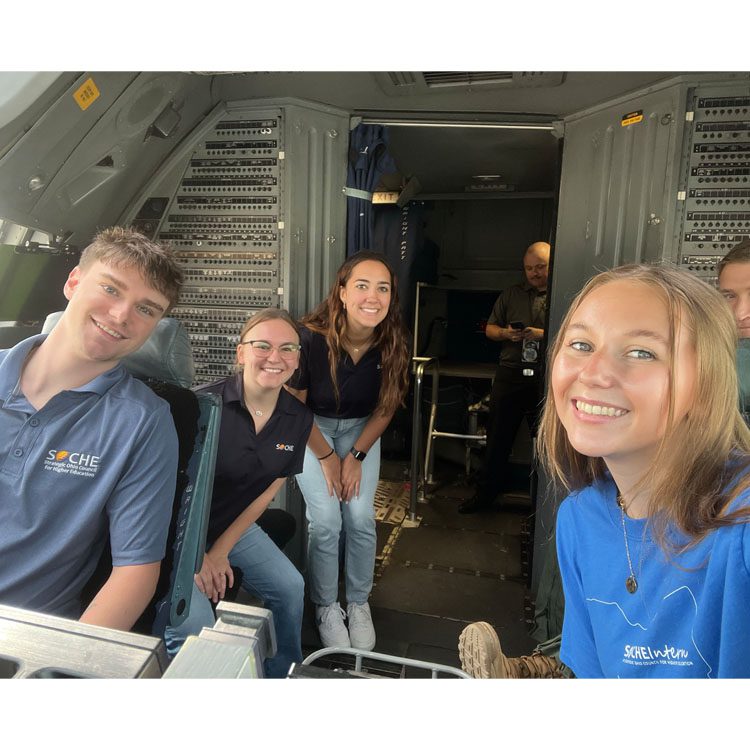
SOCHE Visits Wright Patterson Air Force Base
On Thursday morning, SOCHE employees and interns took a field trip to Wright Patterson Air Force Base. We were able…

SOCHE PARTNERS WITH MIAMI VALLEY NONPROFIT COLLABORATIVE FOR NEW LEADERSHIP DEVELOPMENT PROGRAM
This special 8-session hybrid, interactive program is designed to develop the leadership skills in new or experienced front-line higher education personnel who…
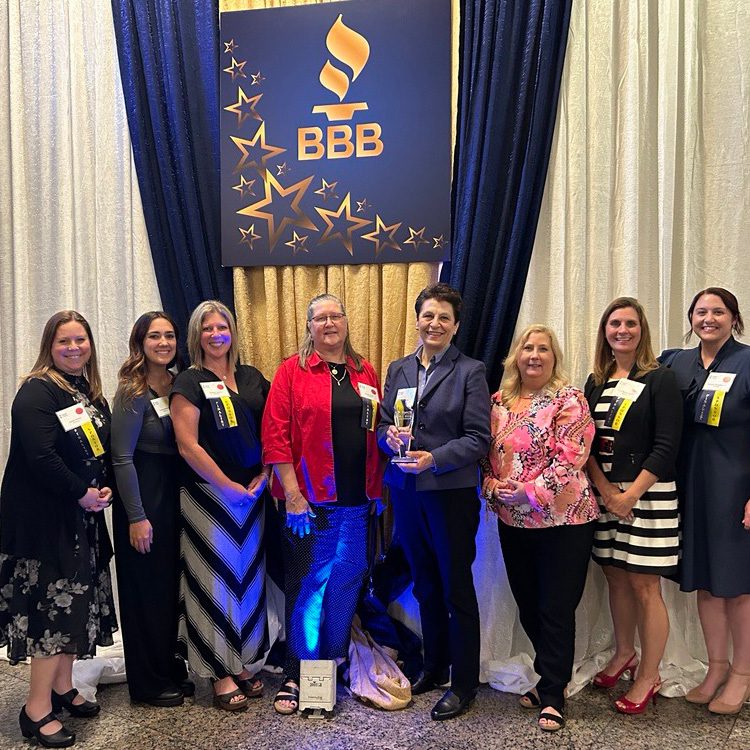
SOCHE Receives 2024 Better Business Bureau Torch Award for Ethics
This week we were privileged to receive the Better Business Bureau Torch Award for Ethics. The award honors organizations whose…

SOCHE Healthcare Industry Sector Partnership
Our Collaborative Partnership!SOCHE and the Greater Dayton Area Hospital Association (GDAHA) have partnered to build and maintain the Southwest Ohio…

SOCHE Information Technology Industry Sector Partnership
Our Collaborative Partnership!SOCHE and Technology First have partnered to build and maintain the Southwest Ohio Information Technology Industry Sector Partnership.…

Educate
Grow educational and leadership opportunities for faculty, staff, and students.

Employ
Build the Ohio workforce by enhancing employment prospects for students and graduates.

Excel
Model collaboration excellence to find innovative solutions to advance higher education.

Endure
Establish SOCHE as the backbone organization of distinction in higher education.